
Wood Skirting for Mobiles
Wood Skirting for Mobiles
October 27, 2026 Posted by Richard Imus Mobile Home Skirting No comments
Why Wood Skirting for Mobiles?
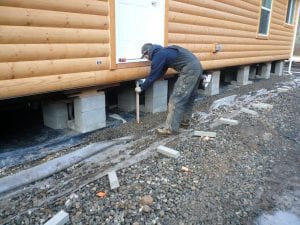
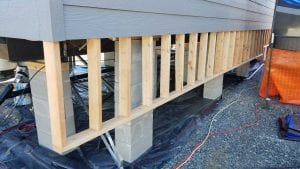
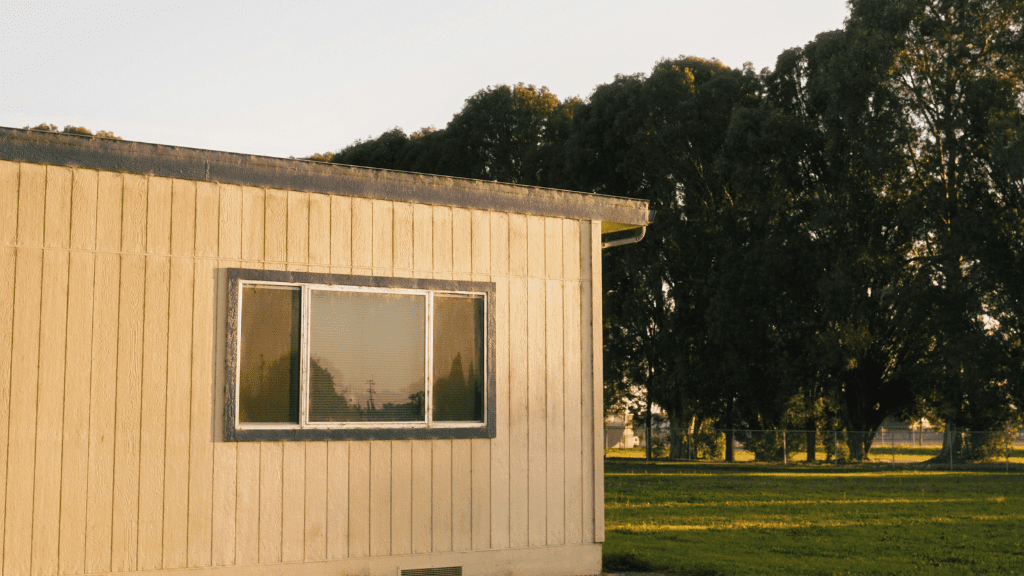
We have all seen trailer houses or mobile homes where the most defining characteristic about them is their use of cheap skirting, right? Many of these residences use vinyl, metal, or wood skirting; although wood skirting for mobile homes is probably the most prolific.
Why is wood such a common skirting method since we all know that it rots?
Rotting, however, isn’t the only issue. Because of the proximity to the ground, moisture affects paint and stains. So, why is it widely used as a skirting product?
Wood skirting for mobile homes: a cheap mobile home skirting option that is prone to rot, moisture damage, and mold.
Price. Wood is cheap. People are always looking for cheap mobile home skirting. In fact, one of the most common searches in the search engines related to skirting is, “cheap mobile home skirting.”
Is Wood Skirting Really So Cheap?
To define cheap mobile home skirting we must include overall cost and quality. You must consider things like:
-
- How long the skirting will last?
- What repairs will you have to make?
- How much damage could be done to the home?
- Will there be health issues?
Wait? Health issues?
Yes, health issues. Wood skirting absorbs moisture and wicks it upwards into your home. This causes a life bed for mold spores to grow. Mold can cause serious health issues, and you may not even realize why you are feeling sick.
The Hidden Problems Wood Skirting Creates Under Your Mobile Home
Mold is only one of the problems. The crawlspace beneath a manufactured home is a dark, enclosed space. When wood skirting traps moisture there, it creates perfect conditions for a long list of costly issues:
- Termites and wood-boring insects: Wood in contact with the soil is an open invitation to termites, carpenter ants, and other pests that can travel from the skirting into the home’s floor system.
- Rodents and animals: As wood skirting softens and rots, gaps form near the ground. Mice, rats, skunks, and other animals can chew or push their way in to nest under your home, damaging insulation and wiring.
- Warping and gaps: Repeated wet and dry cycles cause wood panels to warp, crack, and pull away from the framing, letting wind, rain, and snow into the crawlspace.
- Higher energy bills: Drafty skirting lets cold air circulate beneath the floor in winter, making your furnace work harder and increasing the risk of frozen water lines.
- Constant maintenance: Wood needs regular painting or staining to stay presentable, and moisture near the ground makes those finishes fail quickly.
- Fire risk: Wood is combustible, a serious concern in wildfire-prone areas and communities that follow Wildland-Urban Interface (WUI) building codes.
Each of these problems adds cost over time, and many of them stay hidden until the damage is already done.
Do You Still Believe Wood Skirting Is Great?
The most common statement I hear is, “wood skirting will get us by until we can afford something better.” Really? I have seen many homes with wood skirting that has caused thousands of damages. Can you afford to replace rotten joists, insulation, crossover ducts, and water lines? This can exceed $20,000.
Wood vs. Vinyl vs. Metal vs. Concrete: Comparing Mobile Home Skirting Options
When homeowners search for cheap mobile home skirting, they usually compare wood, vinyl, metal, and concrete. The upfront price is only part of the picture. Here’s how the most common skirting materials compare over the life of your home:
| Skirting Material | Upfront Cost | Moisture & Rot Resistance | Pest Resistance | Fire Resistance | Long-Term Durability |
| Wood | Low | Poor – absorbs moisture and rots | Poor – attracts termites and rodents | Combustible | Short; frequent repairs |
| Vinyl | Low | Good, but can crack in cold weather | Fair – easily damaged by animals | Melts and burns | Moderate; becomes brittle with age and sun exposure |
| Metal | Moderate | Fair – can rust and corrode | Fair | Non-combustible | Moderate; prone to dents and corrosion |
| Concrete (Duraskirt™) | Higher upfront | Excellent – waterproof additive | Excellent – nothing to chew or eat | Fireproof; used under the WUI code | Around 100 years of expected surface durability |
As the comparison shows, the cheapest skirting at the store is rarely the cheapest over the life of your home. When you factor in repairs, replacement, energy loss, and potential damage to the home itself, wood skirting often costs far more than it saves.
This is why I believe wood skirting for mobile homes is not cheap or wise. That’s why we use concrete. I believe concrete/cement skirting is of greater value, will avoid many of these problems, and can help to prevent mold-related health issues. Here are some other ways Duraskirt™ is the mobile home skirting solution for you.
- Has SDG protection in place of the fabric and has a plastic insert
- Duraskirt™ has a waterproof additive to the concrete mixture that should make the product last around 100 years.
- Duraskirt™ & SDG™ resist freezing and thawing weather conditions, so it is made for the exterior of your home in all climates
- Cutting edge concrete technology allows much higher strengths also extending durable life more than 60+ years beyond the average 40+ years most other concrete is expected to resist surface breakdown. that’s more than 100+ years of expected surface durability. No other skirting product comes close.
- Our concrete is fireproof & non-flammable for the purposes of the WUI code. Duraskirt™ has been used under the WUI code in California since the code’s adoption.
- Our new concrete technology resists chemical intrusion by soil or gardening chemicals, chemical densifiers, entrained air (for freezing and thawing also enhanced with the waterproofing agent), chemical stability that resists warping, and very high 7 1/2-sack cement to yard ratio (most foundations use a 5-sack mix).
- Ground burial is not an issue
- SDG™ and DS-SHED have varying sizes to fit your project. (All panels are 37″width and made in varying heights at 11″, 15.5″, 18″, 24″, 30″ and 33″)
- DURASKIRT™ PRO is made in four heights fitting most home applications. (PRO24 , PRO30 and PRO33 are 37″ widths and PRO37 is 30″ wide)
Why Concrete Skirting Is a Smart Long-Term Investment
Concrete skirting for mobile homes is an investment that keeps paying you back. Instead of replacing rotted boards every few years, you install a solid, weather-resistant barrier that protects the underside of your home from moisture, pests, wind, and fire. A clean, solid skirting finish also makes a manufactured home look more like a site-built home, improving curb appeal and making a strong impression if you ever decide to sell.
Because Duraskirt™ panels come in multiple heights and can be buried in the ground, they adapt to sloped lots and uneven terrain where wood or vinyl skirting often leaves gaps. The result is a tight, finished perimeter that helps keep animals out, reduces drafts, and protects ducts and water lines from freezing temperatures.
Signs It’s Time to Replace Your Wood Skirting
If your mobile home already has wood skirting, watch these warning signs:
- Soft, spongy, or crumbling boards near the ground
- Peeling paint, dark staining, or visible mold and mildew
- Gaps, holes, or loose panels around the perimeter
- Signs of termites, ants, rodents, or other animals under the home
- Musty odors inside the home
- Cold floors, higher heating bills, or frozen pipes in winter
If you notice any of these problems, replacing your wood skirting sooner rather than later can prevent far more expensive repairs to joists, insulation, crossover ducts, and water lines.
Frequently Asked Questions About Wood Skirting for Mobile Homes
How long does wood skirting last on a mobile home?
It depends on the type of wood, your climate, drainage around the home, and how well it is maintained. Because wood skirting sits so close to the ground, it often begins to rot, warp, or attract pests within a few years, even when it is painted or stained.
Is pressure-treated wood good for mobile home skirting?
Pressure-treated wood resists rot and insects better than untreated lumber, but it still absorbs moisture, warps over time, needs regular maintenance, and remains combustible. It delays the problems of wood skirting rather than solving them.
What is the most durable mobile home skirting?
Concrete or cement skirting is one of the most durable options available. Duraskirt™ uses a waterproof additive, high-strength concrete technology, and a 7 1/2-sack cement mix designed for more than 100 years of expected surface durability.
Can concrete skirting help prevent mold under a mobile home?
Yes. Unlike wood, concrete skirting does not soak up moisture and wick it toward your home, which removes a major source of the dampness that feeds mold growth. Good drainage and proper crawlspace ventilation also play an important role.
Is concrete skirting fire resistant?
Duraskirt™ concrete is fireproof and non-flammable for the purposes of the WUI code, and it has been used under the WUI code in California since the code’s adoption. That makes it a strong choice for homes in wildfire-prone areas.
So, I recommend considering an exterior cement board product like Duraskirt™.
Stop paying for skirting twice. Replace rotting wood skirting with a durable concrete solution built to protect your home for generations. Contact Duraskirt™ today for a quote or explore our concrete mobile home skirting options to find the right fit for your manufactured home.
Related Articles:
Engineered Skirting For Manufactured Homes









Recent Comments