Skirting for Manufactured Homes Made to Look Site-Built
Considering community desires today, manufactured homes must be able to fit into residential neighborhoods. In order to accomplish this, the home essentially needs to look site-built. This is where concrete mobile home skirting is useful.
Most often, site-built homes have a poured-in-place perimeter foundation, stem wall, and footing. Calling this a perimeter foundation for a manufactured home is wrong. Just because it can support the weight of the home on the perimeter does not mean it is a foundation. In some ways, this can be detrimental as it is subject to weather and moisture, not to mention it gets in the way of properly securing the tie-downs. The better system is to support the structure under the home, tucked away from nature’s elements.
Manufactured homes are supported away from the perimeter of the home. This is a great design but leaves a distinctive space beneath the manufactured home. So, how do you take a great design still find a way to skirt match site-built structures? Well, there are a couple of methods to accomplish this.
The stem-wall foundation. The first method is pouring a stem-wall foundation, although entirely unnecessary, around the perimeter. This methodology is costly in requiring a manufactured home to be lifted over and set inside the wall. Although, sometimes the wall can be poured under the home after the setup. Obviously, many contractors loathe doing this for customers.
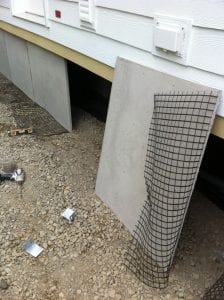
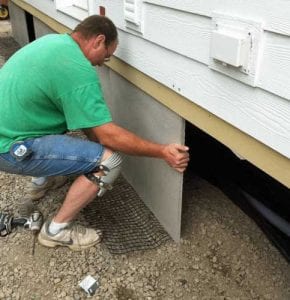
Concrete mobile home skirting kits. Installing concrete mobile home skirting kits can give an appearance similar to a poured stem-wall foundation. However, Concrete mobile home skirting installation can be done without removing the manufactured home, thus making it much simpler.
DURASKIRT™ Mobile Home Skirting Kits
Consequently, the most popular method is using concrete skirting for manufactured homes like DURASKIRT™. The system consisting of concrete boards or panels set up around the perimeter is a genus. This system serves the following purposes:
Guarding the underfloor with concrete.
Site-built look.
Meets FHA & VA loan requirements.
A long-lasting skirting solution.
Best for matching residential neighborhoods.
Two more reasons for choosing DURASKIRT™ concrete skirting for manufactured homes are simple installation and great customer support.
How Do You Skirt a Manufactured Home on a Sloped Lot?
Installing mobile home skirting on a sloped lot takes more than a basic skirting product. It takes a system built for uneven ground, long-term protection, and a clean finished appearance. After nearly 26 years of helping manufactured homeowners across the United States, DURASKIRT™ has become a trusted choice for challenging sloped installations.
Why Sloped Lots Need a Different Skirting Approach
Skirting a manufactured home on level ground is usually straightforward because the panel heights are often similar around the home. On a sloped lot, however, one side may sit much higher than the other, creating large openings, uneven gaps, and areas where ordinary skirting products can fall short. DURASKIRT™ is designed to solve those problems with durable concrete panels that can be adapted to the site.
On a slope, skirting must do more than hide the crawlspace. It should follow the grade, protect the underside of the home, resist damage, and give the home a finished, site-built appearance. DURASKIRT™ makes this easier because the panels can be planned around step-downs, framing, bracing, and uneven soil conditions.
As the manufacturer of DURASKIRT™, we are often asked, “How high can your mobile home skirting panels go?” Our answer is simple: “As high as you need.” With the right installation method, DURASKIRT™ can handle almost any height, making it an excellent option for homes placed on steep or uneven lots.
Plan Before Installation
Before installing mobile home skirting on a sloped lot, measure the height around the entire home. Start at the lowest point and continue to the highest point. These measurements will show where step-downs are needed and how tall the panels should be in each section.
Drainage is also important. Whenever possible, water should flow away from the home. Poor drainage can create moisture problems under the structure and shorten the life of some skirting materials. Because DURASKIRT™ concrete panels are designed for ground burial, they are especially useful where skirting must meet uneven soil, extend below grade, and still deliver a clean, professional look.
Choose DURASKIRT™ for Below-Grade Protection
Manufactured homeowners often want skirting that looks like a natural extension of the home—not an afterthought. That can be difficult with wood skirting because wood should not touch soil. On a sloped lot, this becomes an even bigger issue because some sections must extend lower than others. DURASKIRT™ solves this challenge by providing a concrete skirting solution that can safely extend below grade.
Why Ground Contact Matters
Ground contact is one of the biggest concerns when skirting a sloped lot. Many materials are not made to touch soil and may rot, warp, or deteriorate over time. Wood should stay at least 6 inches above the dirt, which often limits design options. DURASKIRT™ gives homeowners and installers more flexibility because it is made for below-grade use.
DURASKIRT™ is designed for ground burial, allowing the panels to be installed below grade and properly backfilled. This creates a stronger barrier around the base of the home, helps discourage rodents and pests from entering underneath, and provides the durability homeowners expect from a premium concrete skirting system.
Using DURASKIRT™ with wood can create the site-built appearance many manufactured homeowners want, even on a sloped lot. It also helps reduce the risk of rotting skirting, improves rodent prevention, and delivers a longer-lasting finish than many traditional skirting options. For the best results, keep wood at least 6 inches above the dirt and use DURASKIRT™ where below-grade protection is needed.
DURASKIRT™ Step-Down Framing for Sloped Lot Skirting
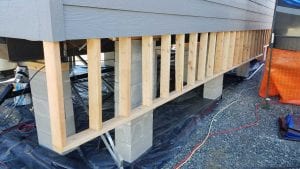
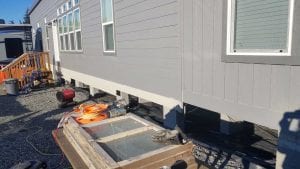
For a cleaner, stronger mobile home skirting installation on sloped lots, use standard framing materials with matching siding to create step-downs that follow the grade. This helps DURASKIRT™ concrete skirting panels deliver a finished, site-built appearance while supporting below-grade protection where the slope requires it. Install paper under the siding to help keep moisture out of the crawlspace. Important Step! After framing is installed beneath the home’s exterior rim joist, brace it back to the I-beams for added support. Proper bracing is essential. For 30″ of backfill, secure bracesto the steel beams no more than 24″ O.C. See photo.
Ready to solve your sloped-lot skirting challenge? Choose DURASKIRT™ concrete skirting panels for a stronger, cleaner, and longer-lasting mobile home skirting solution built for below-grade protection and a finished, site-built look. Contact DURASKIRT™ today to get expert help planning your project and order the right kit for your installation.
Get a Finished, Site-Built Look with DURASKIRT™
Many manufactured homeowners want their home to look more like a traditional site-built house, and DURASKIRT™ makes that goal easier to achieve—especially on sloped lots. When skirting simply follows uneven ground without a clear design plan, the result can look unfinished. Step-down framing allows the siding above the DURASKIRT™ panels to match the home, while the premium concrete skirting below handles the critical ground-contact area.
The result is a cleaner, stronger, and more permanent appearance that helps the home look like it was built that way from the start. Instead of one long, uneven skirting wall, step-downs create natural visual breaks that follow the slope. With the right layout for siding, lap reveals, trim, and DURASKIRT™ concrete panels, homeowners can achieve a durable, factory-direct skirting solution that adds curb appeal, below-grade protection, and long-lasting value.
Stop moisture, pests, and uneven skirting before they start. Choose DURASKIRT™ today for a stronger, below-grade concrete skirting solution. Contact us now to get the right factory-direct kit.
DURASKIRT™ Installation Tips for a Stronger Finished Look
Step-down framing follows the slope and prepares the home for DURASKIRT™ concrete skirting panels than install below.
Align framing with the home above for a cleaner manufactured home skirting installation.
Match the siding brand and style to help the home achieve a site-built appearance.
Keep lap siding reveals consistent for a professional, finished look.
Brace framing properly so backfilled DURASKIRT™ concrete panels perform as intended.
Keep wood at least 6 inches above soil and let DURASKIRT™ handle below-grade protection.
Use hot-dipped galvanized nails for a durable siding installation that complements DURASKIRT™ mobile home skirting.
Avoid Costly Skirting Mistakes with DURASKIRT™
One of the biggest mistakes in manufactured home skirting is placing wood skirting or framing too close to the soil. Moisture can lead to rot, repairs, and a shorter service life. DURASKIRT™ concrete skirting panels help solve this problem by giving homeowners a durable below-grade skirting solution where ground contact is required.
Backfilling before proper bracing is another costly mistake. DURASKIRT™ panels are built for strength, but the framing around them still needs solid support. Correct bracing, proper grading, and coarse rock backfill help create a stronger mobile home skirting installation that performs better over time.
Once the framing is braced, papered, and sided, install DURASKIRT™ as your premium mobile home skirting solution. For better below-grade protection, we recommend burying DURASKIRT™ at least 6 inches into the soil and backfilling with coarse rock to help block rodents from digging underneath.
DURASKIRT™ FAQs for Sloped Lot Skirting
Can manufactured home skirting be installed on a steep slope?
Yes. Manufactured home skirting can be installed on a steep slope, but the right system matters. Step-down framing, proper bracing, and DURASKIRT™ concrete panels designed for ground burial make sloped lot skirting cleaner, stronger, and more reliable.
How tall can mobile home skirting be?
Mobile home skirting height depends on the home, lot, and installation method. With DURASKIRT™, your skirting can be planned to fit the height your project needs, especially when installed with proper framing on sloped areas.
Should skirting be buried in the ground?
Some skirting materials should never be buried, but DURASKIRT™ is made for ground burial. Installing the panels at least 6 inches below grade and backfilling with coarse rock creates a stronger barrier and helps reduce rodent access under the home.
Why use a hybrid skirting method on a sloped lot?
A hybrid skirting method combines upper step-down framing and siding with DURASKIRT™ concrete panels near the ground. This keeps wood away from soil, improves below-grade protection, and helps the home achieve a clean, site-built look.
With proper step-down framing and DURASKIRT™ concrete skirting panels, a manufactured home on a sloped lot can look clean, permanent, and well protected. The finished result gives your home the site-built appearance many homeowners want, while adding the durability and below-grade protection ordinary skirting materials often lack. If you have not started shopping for a new mobile home, you may also want to read our article, “Finding The Best Mobile Home Brands.”
Don’t settle for skirting that fails on a slope. Choose DURASKIRT™ concrete skirting panels for lasting below-grade protection, a clean site-built look, and the strength your manufactured home deserves. Contact DURASKIRT™ today to get expert help and order the right factory-direct kit for your project.
Why Choose DURASKIRT™ for Your Mobile Home Skirting?
When it comes to enhancing the longevity and aesthetic appeal of your mobile home, choosing the right skirting solution is crucial. DURASKIRT™ stands out as a superior choice for mobile home underpinning and skirting kits.
This blog explores the myriad reasons why DURASKIRT™ is becoming the preferred choice for mobile homeowners and industry professionals alike. Delve into statistical insights and real-world benefits that highlight DURASKIRT™’s unmatched durability, aesthetic versatility, and cost-effectiveness in transforming mobile home exteriors and protecting your home.
Durability and Resistance
DURASKIRT™ is renowned for its durability. Crafted from high-quality concrete, these skirting panels are engineered to withstand harsh weather conditions, from freezing temperatures that challenge other materials to intense heat that can warp or degrade less robust solutions. The concrete composition of DURASKIRT™ panels ensures they resist common issues like rotting, warping, and pest infiltration—common problems with wood and vinyl skirting.
Aesthetic Appeal
One of the most compelling reasons to opt for DURASKIRT™ is its aesthetic versatility. Whether your mobile home is in a rustic setting or a more urban environment, DURASKIRT™ offers a clean, site-built appearance that blends seamlessly with any landscape.
The skirting panels are designed to mimic the look of a traditional stem-wall foundation, providing a high-end look without the high-end price tag. This makes DURASKIRT™ mobile home skirting kits an excellent choice for homeowners seeking to elevate their property’s curb appeal.
Easy Installation
Ease of installation is another significant advantage of choosing DURASKIRT™. Unlike other skirting options that can be labor-intensive and require professional installation, DURASKIRT™ mobile home skirting kits come with everything needed for a straightforward, DIY installation. We also have videos to show you how to install mobile home skirting. This can save homeowners both time and money, making it an ideal choice for those who prefer a hands-on approach to home maintenance.
In fact, we have several builders who have switched to DURASKIRT™ and absolutely love it because it can be installed on a gravel bed. So, instead of needing to pour a concrete slab, which is more expensive and takes more time to cure, they can lay a gravel bed and start installing DURASKIRT™ concrete mobile home underpinning quickly.
Cost-Effectiveness
Despite its premium quality, DURASKIRT™ is designed to be cost-effective. The initial investment in these skirting panels pays off in the long run by reducing the need for frequent replacements and maintenance. With DURASKIRT™, you can protect your mobile home from environmental elements and pests at a fraction of the cost of other high-end skirting materials.
Long-Term Savings: Invest in DURASKIRT™ to reduce the need for frequent replacements and maintenance, offering long-term savings over cheaper, less durable options.
Energy Efficiency: By improving the insulation around your home’s base, DURASKIRT™ helps maintain internal temperatures, potentially lowering heating and cooling costs.
DIY Installation: Save on professional installation fees with DURASKIRT™ mobile home skirting kits designed for easy, do-it-yourself setup.
Durability Reduces Costs: The high-quality concrete construction of DURASKIRT™ minimizes damage from pests, weather, and decay, reducing the cost of repairs and upkeep.
Resale Value: Enhance your mobile home’s market value with high-quality skirting that appeals to buyers and meets loan compliance requirements.
Health and Safety
Another lesser-known but equally important aspect of DURASKIRT™ is its contribution to the health and safety of your living space. By effectively sealing the crawl space under your home, DURASKIRT™ prevents moisture buildup that can lead to mold and mildew. This is crucial for maintaining good air quality inside your home and avoiding potential health risks associated with mold exposure. I can’t tell you how many stories we have heard from homeowners dealing with the cost and delays of mold removal or even health issues that they developed when using skirting that didn’t properly protect from moisture build up.
Rodent and Pest Deterrence
One of the standout features of DURASKIRT™ is its rodent barrier system. The hidden vent system incorporated into the skirting design allows for excellent air circulation while preventing rodents and other pests from entering the underfloor area.
This is really important. You don’t want animals nesting under your home. I remember talking with a crew that was replacing wood skirting and taking off insulation and while they were pulling the old insulation, a possum dropped on one of the crew members chest. He ran out of there so quickly thinking there was an animal dracula under the home! Animals getting under your home can scratch and chew through materials as well as relieve themselves under your home causing potential health and odor issues.
This unique feature provides peace of mind for homeowners, particularly in rural or wooded areas where wildlife intrusion can be a significant concern.
Hidden Vent System: The unique “Hidden Vent” design allows for air circulation while blocking access points for rodents and other pests, ensuring your underfloor remains secure.
Concrete Durability: Unlike wood or vinyl, the concrete material of DURASKIRT™ does not attract termites and is resistant to chewing or burrowing by rodents.
Seal Protection: DURASKIRT™ provides a continuous, tight seal around the base of your home, leaving no gaps for pests to enter.
Improved Home Hygiene: By preventing pest infestations, DURASKIRT™ helps maintain cleaner living conditions and reduces the risk of diseases carried by rodents.
Long-Term Peace of Mind: Invest in a skirting solution that protects not just against the elements but also against wildlife, giving you lasting peace of mind.
Compliance and Standards
For those looking to finance or refinance their mobile home, DURASKIRT™ meets all FHA and VA loan requirements for mobile home underpinning. This compliance not only assures you of the quality and reliability of DURASKIRT™ but also facilitates smoother financial transactions when dealing with lenders who require certain standards to be met.
Additionally, many local municipalities have recently started restricting the kinds of materials that can be used for mobile home skirting due to the damage materials like wood can cause over time because of moisture and other factors. DURASKIRT™ protects against such damage.
Long-Term Investment
Choosing DURASKIRT™ is an investment in the future of your mobile home. With its robust construction, aesthetic flexibility, and protective features, DURASKIRT™ enhances not only the appearance but also the value of your property. Homeowners can rest easy knowing that their choice in skirting contributes positively to their home’s resale value, thanks to the lasting benefits of DURASKIRT™.
Community Integration
For those living in planned communities or areas with strict aesthetic guidelines, DURASKIRT™ offers an ideal solution. Its ability to mimic traditional housing foundations makes it easy to comply with community standards, ensuring that your mobile home fits seamlessly into the neighborhood while enhancing the overall look of the community.
Key Advantages of DURASKIRT™ Mobile Home Skirting
According to a recent industry survey, over 85% of mobile homeowners who opted for DURASKIRT™ cited durability as their primary factor in the decision-making process. This aligns with empirical evidence showing that DURASKIRT™ panels, crafted from high-quality concrete, boast a 77% reduction in maintenance costs compared to traditional wood or vinyl skirting options. Furthermore, data analysis indicates that DURASKIRT™ installations contribute to a 12% increase in mobile home resale value, attributed to the product’s ability to enhance curb appeal and comply with FHA and VA loan requirements.
From an installation perspective, nearly 90% of customers praised the ease of setup provided by DURASKIRT™ kits, leading to 68% fewer instances of professional assistance required during installation compared to other skirting solutions. This statistical overview underscores the robustness, cost-effectiveness, and homeowner satisfaction associated with DURASKIRT™, making it a clear frontrunner in the mobile home skirting market.
Statistical Insights: The Case for DURASKIRT™
Long-Term Savings: Invest in DURASKIRT™ to reduce the need for frequent replacements and maintenance, offering long-term savings over cheaper, less durable options.
Energy Efficiency: By improving the insulation around your home’s base, DURASKIRT™ helps maintain internal temperatures, potentially lowering heating and cooling costs.
DIY Installation: Save on professional installation fees with DURASKIRT™ mobile home skirting kits designed for easy, do-it-yourself setup.
Durability Reduces Costs: The high-quality concrete construction of DURASKIRT™ minimizes damage from pests, weather, and decay, reducing the cost of repairs and upkeep.
Resale Value: Enhance your mobile home’s market value with high-quality skirting that appeals to buyers and meets loan compliance requirements.
Hidden Vent System: The unique “Hidden Vent” design allows for air circulation while blocking access points for rodents and other pests, ensuring your underfloor remains secure.
Concrete Durability: Unlike wood or vinyl, the concrete material of DURASKIRT™ does not attract termites and is resistant to chewing or burrowing by rodents.
Seal Protection: DURASKIRT™ provides a continuous, tight seal around the base of your home, leaving no gaps for pests to enter.
Improved Home Hygiene: By preventing pest infestations, DURASKIRT™ helps maintain cleaner living conditions and reduces the risk of diseases carried by rodents.
Long-Term Peace of Mind: Invest in a skirting solution that protects not just against the elements but also against wildlife, giving you lasting peace of mind.
Community Integration: For those living in planned communities or areas with strict aesthetic guidelines, DURASKIRT™ offers an ideal solution. Its ability to mimic traditional housing foundations makes it easy to comply with community standards, ensuring that your mobile home fits seamlessly into the neighborhood while enhancing the overall look of the community.
Customer Support and Satisfaction: We provide excellent customer service throughout the sales and installation process and are always available to answer questions after the installation which has led to superior customer satisfaction.
Customer Support and Satisfaction
Lastly, the customer support offered by DURASKIRT™ is second to none. From installation assistance to maintenance tips, the DURASKIRT™ team is committed to providing outstanding service and support. Numerous testimonials from satisfied customers highlight the effectiveness of the product and the company’s dedication to its clients.
In conclusion, if you’re searching for a mobile home skirting solution that offers durability, aesthetic appeal, cost-effectiveness, and ease of installation, DURASKIRT™ should be at the top of your list. By choosing DURASKIRT™ mobile home skirting kits, you are not just purchasing a product but adopting a comprehensive solution for protecting and enhancing your mobile home.
For more information on how DURASKIRT™ can benefit your mobile home, visit our website or contact our customer service team. Embrace the peace of mind that comes with knowing your home is skirted with the best – choose DURASKIRT™ for a solid foundation in every sense.
Mobile homes—also known as manufactured homes—have evolved tremendously in design, comfort, and functionality. Yet one essential component that often gets overlooked is skirting for mobile homes.
More than just an aesthetic feature, mobile home skirting plays a vital role in stabilizing the home, enhancing its appearance, improving energy efficiency, and protecting against pests and weather damage. Whether you’re upgrading existing skirting or building a new home, the right approach to skirting for mobile homes can make a significant impact. Below are six smart ideas to help you make an informed and confident choice.
1. Inspect and Repair the Rim Joist
Before any mobile home skirting installation, inspecting and repairing the rim joist is critical—especially in older homes.
Inspect Thoroughly: Walk around the perimeter and check the rim joist for rot, decay, or signs of damage.
Fix First: Address any structural concerns before proceeding with skirting installation to ensure stability.
Professional Insight: If extensive damage is found, consider having a licensed contractor evaluate and repair the rim joist to support your skirting properly.
2. Level the Ground Around the Home
For a clean, seamless appearance, ensure the ground beneath your mobile home is level before applying skirting for mobile homes.
Consistency is Key: A level base ensures your skirting fits snugly and looks uniform.
Use the Right Tools: Shovels, measuring levels, and grading rakes can help you create a flat surface.
Check Before You Install: Even minor ground irregularities can cause gaps or warping in your mobile home skirting panels.
3. Consider DURASKIRT™ for Durability and Style
If you’re looking for long-lasting, low-maintenance skirting, DURASKIRT™ is a top-tier option for mobile home skirting.
Built to Last: Made from reinforced concrete, DURASKIRT™ stands up to pests, moisture, and extreme weather.
Pest & Weather Protection: Its solid construction acts as a barrier against rodents and the elements.
Maintenance-Free: Unlike vinyl or wood skirting, DURASKIRT™ requires little to no upkeep.
Sleek Aesthetic: With various finishes and modern designs, it elevates the appearance of your home.
4. Explore a Range of Skirting Materials
When selecting skirting for mobile homes, understanding your material options can help you choose the best solution for your needs and budget.
Vinyl Skirting: Affordable and lightweight, vinyl is common but vulnerable to fire and can wear out faster in harsh climates.
Concrete Panels (like DURASKIRT™): Extremely durable and weather-resistant. Although more expensive up front, they offer unmatched longevity and protection.
Metal Skirting: Strong and reliable, though susceptible to dents over time.
Wood Skirting: Attractive but high-maintenance and prone to water damage and pests. One homeowner shared their wood skirting absorbed water and caused over $40,000 in damage.
Faux Stone/Brick Panels: Offers an upscale look with moderate durability—ideal for aesthetics but may not offer the same strength as concrete.
Choosing the right material is crucial. Whether you prefer traditional charm or modern strength, the right mobile home skirting solution enhances both function and appearance.
5. Decide Between DIY and Professional Installation
Should you install the skirting yourself or hire a professional? The decision depends on your skill level, timeline, and budget.
DIY Skirting Projects: If you’re handy, installing skirting for mobile homes can be a rewarding, cost-saving project. Just be sure to measure carefully and account for ventilation.
Hiring Professionals: Contractors bring the benefit of experience, efficiency, and code compliance. They also ensure your mobile home skirting is installed to last.
Whichever route you choose, proper installation is key to maximizing durability and performance.
6. Know the Permit Requirements
Before installing skirting for mobile homes, always check your local building codes and permit requirements.
Stay Compliant: Some municipalities restrict flammable or high-maintenance materials like wood.
Protect Your Investment: Adhering to guidelines ensures your skirting is safe, legal, and structurally sound.
Failing to comply could lead to costly fines or forced removal of non-compliant skirting.
Final Thoughts
Whether you’re planning a new installation or replacing old panels, mobile home skirting is more than a finishing touch—it’s a vital element of home maintenance and protection. From inspecting the rim joist to choosing the right materials and understanding permit requirements, each decision contributes to the long-term success of your skirting project.
For expert guidance and top-tier materials like DURASKIRT™, contact us at (360) 531-6668. Our team is committed to helping you find the perfect skirting for mobile homes—one that fits your lifestyle, budget, and peace of mind.
If you’re a mobile or manufactured homeowner looking for mobile home skirting kits, you’ll find that DURASKIRT™ is an excellent choice. Many of our customers prefer our kits, and here’s why:
Our product has an SDG protection in place of the fabric and has a plastic insert
It is Made For The Exterior of Your Home In All Climates
Cutting Edge Concrete Technology Allows Much Higher Strengths Also Extending Durable Life More Than 60+ Years Beyond The Average 40+ Years Most Other Concrete Is Expected To Resist Surface Breakdown. That’s More Than 100+ Years of Expected Surface Durability. No Other Skirting Product Comes Close.
Our Concrete is FireProof & Non-Flammable therefore, Duraskirt™ being concrete is designated “Concrete” Which is Non-Flammable for The Purposes of The WUI Code. DURASKIRT™ has been used under the WUI code in California since the codes adoption.
Integrated Waterproofing Agent, New Concrete Technology Resists Chemical Intrusion by Soil or Gardening Chemicals, Chemical Densifiers, Entrained Air (for Freezing and thawing also enhanced with the waterproofing agent), Chemical Stability That Resists Warping, and Very High 7 1/2-Sack Cement to Yard Ratio (Most Foundations Use a 5-Sack Mix). Therefore, Ground Burial Is Not An Issue
SDG™ and DS-SHED have varying sizes to fit your project. (All panels are 37″width and made in varying heights at 11″, 15.5″, 18″, 24″, 30″ and 33″)
DURASKIRT™ PRO is made in four heights fitting most home applications. (PRO24 , PRO30 and PRO33 are 37″ widths and PRO37 is 30″ wide)
DURASKIRT™ mobile home skirting kits are durable, long-lasting, and doable.
As one customer put it, “It’s DURASKIRT™ and done.”
House skirting products have a tough job.
They need to beat the elements, keep critters out, and uphold a home’s curb appeal. A lot of skirting for mobile homes products don’t seem to last, such as wood or vinyl skirting. In areas that receive a lot of rainfall or frequent intense weather, wood skirting absorbs the water and can cause the house structure to get wet as well and cause the house to rot or build up mold. If the structure of the house develops rot or mold, this can be a $40,000 home repair or mold remediation fee. Other products also tend to last 10 to 15 years.
DURASKIRT™ lasts longer. Our mobile home skirting kits have galvanized reinforcement and strong concrete that can withstand the elements and last. Our DURASKIRT™ mobile home skirting kits are great to use in both hot and cold climates due to the concrete being a good insulator.
DURASKIRT™ can do that job.
That being said, there are areas when extra precaution is needed. If the soil in your area contains high acidity, you’ll need to coat the cement to protect it better, since cement and acidity don’t get along. A layer of tar works really well for this application and will help the skirting for mobile homes remain durable and long-lasting. We also recommend adding a layer of gravel down before installing the skirting for mobile homes.
It’s not just about the product. It’s also about the service.
Aside from the quality of DURASKIRT™ skirting for mobile homes, our company also offers excellent customer service. When a customer receives their kit, they’ll also be given
Access to instructional videos
Tutorials
Contact information to be able to speak with one of our staff
New laws and restrictions have been created to prevent Mobile home skirting from being created with certain materials. Duraskirt complies with the new laws and restrictions
We are consistently learning about the newest and best products on the line to bring our clients the best products.
Even on a Saturday or Sunday, we are always available to answer questions and help customers through their skirting for mobile homes project.
We want our skirting for mobile homes customers to feel confident yet know that we are here for them when needed.
Having these resources make our product doable for our customers, at a time that works best for them. We have helpful DIY Videos & Images of How To Install Mobile Home Skirting by DURASKIRT™ here
DURASKIRT™ has been providing customers with house skirting kits for 20 years.
The combination of our durable, quality product and engaging customer service has earned the trust and satisfaction of many customers. We are here for you, too. If you would like to learn more about our product or to find out if DURASKIRT™ would be a good option for you, give us a call at (360)419-9909. We are available to answer any questions you might have and to help you get started on your own skirting for mobile homes project.
Whether you’re outfitting a brand-new manufactured home or giving an older model a facelift, the correct installation of mobile home skirting is crucial for enhancing both the aesthetic appeal and the structural integrity of your home. This guide is designed to walk DIY enthusiasts through the essential considerations and effective strategies to ensure a successful and durable mobile home skirting installation.
Understanding the Basics of Mobile Home Skirting Installation
Mobile home skirting serves multiple crucial functions—it acts as a visual barrier, protects the undercarriage of your home from animals and debris, and significantly improves the insulation of your home. Properly installed skirting helps regulate airflow under the home, which is particularly important in maintaining temperature consistency and can lead to significant energy savings in varying climates.
According to the U.S. Department of Housing and Urban Development (HUD), ensuring that skirting is well-ventilated and maintains the necessary clearances to prevent moisture buildup is essential for the longevity of your home. HUD mandates that skirting materials should be durable, fire-resistant, and appropriate for the climate in which the home is located, with specific requirements for the size and spacing of ventilation openings to prevent moisture-related deterioration and energy inefficiency.
Statistical Insight on Skirting Benefits
Statistical data underscore the importance of effective skirting. Research indicates that properly installed skirting can reduce heating costs by up to 22%, as it minimizes unnecessary airflow that can lead to heat loss. Furthermore, about 15% of mobile homes experience under-home moisture issues that can be mitigated with correct skirting practices, showcasing the dual benefits of structural protection and energy efficiency.
Choosing the Right Materials
When selecting skirting materials, consider the following options:
Vinyl: Known for its cost-effectiveness and ease of installation, vinyl is a popular choice among homeowners. It is available in a variety of colors and textures, making it easy to match your home’s exterior. However, vinyl may become brittle and prone to cracking in extreme temperatures, which could require more frequent replacements in regions with severe weather conditions.Simply put, it’s not very durable.
Metal: Metal skirting, typically made from aluminum or steel, offers better durability and better fire resistance, though still not as durable as concrete. It stands up well against harsh conditions and can provide a sleek, modern look to your home’s exterior. The main considerations with metal are its potential to dent and the need for proper treatment to prevent rust in humid climates. Also, it does not provide as great an insulating effect as concrete.
Concrete Panels (e.g., DURASKIRT™): These provide the best in durability and insulation, meet rigorous HUD standards, and are excellent for all climates but come at a higher cost. Concrete skirting is highly resistant to weather-related damage, including warping, rotting, and pest infestations, making it a long-lasting investment.
Choosing the right materials is critical. We’ve had homeowners literally crying because when they were replacing their old vinyl or wood skirting after just a few years, they found rot in their homes which ended up costing them an additional $40,000 to repair.
Addressing Weather Concerns in Skirting Installation
Weather conditions play a pivotal role in the selection and installation of mobile home skirting. Different materials react differently to environmental stresses, and choosing the right type can significantly extend the lifespan of your skirting.
Hot Climates: In hot and dry regions, skirting materials need to withstand intense sun exposure without degrading. Light-colored vinyl or specially coated metal can help reflect sunlight and reduce heat absorption, which helps maintain cooler under-home conditions.
Cold Climates: In areas with cold winters, insulated skirting options such as foam-backed vinyl or concrete skirting can help keep the area under the home warmer, which prevents pipes from freezing and reduces heating costs.
Wet Climates: For homes in wet or flood-prone areas, skirting that offers excellent water resistance and allows for proper drainage is crucial. Elevated homes may benefit from adjustable skirting solutions that can be modified for better water runoff.
Insulation of mobile homes, especially underneath is important, but your home may not have the needed insulation. We’ve found that in the north, the older homes were made with little insulation under the home. For all these climates, DURASKIRT™ concrete skirting is specially formulated for resistance to rain and humidity as well as providing excellent insulation.
Preparing Your Site Properly
Effective preparation is crucial before starting your installation:
Inspect and Repair: Check the rim joist and other structural elements for damage. Repairs are necessary to provide a stable base for the skirting.
Level the Ground: Ensure that the ground around your home’s perimeter is even to avoid installation issues and ensure structural stability.
Ensure Accessibility: Keep enough space around your home clear to facilitate the easy movement of materials and installation work.
DIY Challenges and Practical Solutions
Labor & Material Portion
DIY skirting installation can present several challenges, particularly for those who are new to home improvements, due to a combination of factors related to skills, tools, material handling, and the precision required. Here are some of the main reasons why DIYers might find this project challenging:
Complexity of Task: Skirting a mobile home involves multiple steps that must be executed in the correct order and with precision. These include measuring accurately, cutting materials to the right size, ensuring level installation across potentially uneven ground, and securing the skirting effectively. Each of these steps requires a good understanding of basic construction principles, which might be daunting for beginners.
Tools and Equipment: Proper installation of skirting requires specific tools such as levels, saws, drills, and possibly more specialized equipment depending on the material used (e.g., heavy-duty cutters for metal or concrete). New DIYers might not have immediate access to these tools or the experience to use them safely and effectively.
Material Selection: Choosing the right type of skirting material to meet both aesthetic desires and practical needs can be complex. Factors to consider include durability, maintenance, insulation properties, and compliance with local building codes. Misjudgments in material selection can lead to premature wear, inadequate protection, or compliance issues.
Physical Labor: Installing skirting involves significant physical effort, including digging, lifting heavy panels, and lots of bending and kneeling. This can be physically demanding, especially for those who may not be accustomed to such labor-intensive activities.
Other Issues
Unexpected Issues: If you are removing old vinyl, wood, or metal skirting which didn’t properly protect your home, you may find mold, rot, or pests which cause additional issues to address. We had one crew that was replacing wood skirting and insulation. While they were pulling the old insulation, a possum dropped on one of the crew member’s chest. He ran out of there so quickly, screaming! He called the animal Dracula because of how it tried to bite him.
We had one crew that was replacing wood skirting and insulation. While they were pulling the old insulation, a possum dropped on one of the crew member’s chest. He ran out of there so quickly, screaming! He called the animal Dracula because of how it tried to bite him.
Weather Conditions: The process can be affected by external conditions such as wind, rain, or extreme temperatures, which can hinder the installation process or affect the curing and settling of materials like concrete.
Regulatory Compliance: Understanding and adhering to local building codes and HUD standards (for the U.S.) can be challenging. These regulations might dictate specifics about ventilation, material types, and installation methods, which if not followed, could lead to fines or the need to redo the work.
Problem-Solving Skills: Unexpected issues often arise during home improvement projects. For instance, the ground may not be as level as initially thought, or existing damage to the home’s structure could require additional repairs before proceeding. Effective problem-solving and adaptability are crucial, skills that typically improve with experience.
These factors combined make DIY mobile home skirting installation a challenging project, particularly for those new to DIY tasks. It requires a balanced mix of practical skills, physical labor, and attention to detail, all of which are developed through experience and education in home improvement projects.
Step-by-Step Guide to DIY Mobile Home Skirting Installation
Measure and Plan: Calculate the required amount of skirting material by measuring the perimeter of your home and the height from the ground to the base.
Material Selection: Choose materials that align with your home’s style and your climate’s demands.
Installation: Start from the corners and proceed around the home, ensuring each panel is level and securely attached.
Sealing and Securing: Apply sealing materials to fill any gaps, enhancing both the insulation and the security of the skirting.
Final Inspection: Conduct a thorough inspection from various angles to ensure everything is properly secured and visually appealing.
Ensuring Success in Your DIY Mobile Home Skirting Project
Purpose of Skirting: Enhances aesthetic appeal and structural integrity of mobile homes. It acts as a visual barrier, protects from animals and debris, and improves insulation.
HUD Regulations: Skirting must be well-ventilated, maintain necessary clearances to prevent moisture buildup, and meet specific durability and fire-resistance standards appropriate for the climate.
Statistical Benefits: Properly installed skirting can reduce heating costs by up to 22% and mitigate under-home moisture issues, improving both structural protection and energy efficiency.
Material Choices:
Vinyl: Cost-effective and easy to install; available in various colors and textures but may become brittle in extreme temperatures.
Metal: Offers better durability and fire resistance. Indeed it’s ideal for variable weather but can dent and may require rust prevention in humid climates.
Concrete Panels (e.g., DURASKIRT™): Highly durable and insulated, meets HUD standards, resistant to weather damage but more expensive.
Weather Concerns:
Hot Climates: Skirting materials should withstand sun exposure and reduce heat absorption.
Cold Climates: Insulated skirting options are beneficial for preventing pipes from freezing and reducing heating costs.
Wet Climates: Skirting should offer water resistance and proper drainage, especially in flood-prone areas.
Site Preparation:
Inspect and repair any structural damages.
Level the ground to avoid installation issues and ensure stability.
Maintain clear access around the home for material and tool movement.
DIY Challenges:
Complexity of Task: Requires precision in measuring, cutting, and installation.
Tools and Equipment: Specific tools needed which may not be readily available to all DIYers.
Material Selection: Needs careful consideration of durability, maintenance, and insulation properties.
Physical Labor: Demanding effort required, which might be challenging for some.
Weather Conditions: External conditions can impact the installation process.
Regulatory Compliance: Must adhere to local building codes and HUD standards.
Problem-Solving Skills: Necessary for addressing unexpected issues during the project.
Mobile Home Skirting Installation
Installation Steps:
Measure and plan the required amount of material.
Select materials that fit the home’s style and climate needs.
Ensure each panel is level and securely attached.
Seal any gaps to enhance insulation and security.
Conduct a thorough final inspection to ensure secure and visually appealing installation.
Additional Resources: Encourages consulting with skirting experts or accessing detailed installation videos for further guidance.
Finally, by following the guidelines outlined in this guide, homeowners can confidently undertake their own mobile home skirting projects. Moreover, enhancing both the curb appeal and the structural integrity of their homes. Also, from selecting the right materials to addressing various weather conditions and preparing the site properly. For instance, each step is crucial for achieving a durable and aesthetically pleasing result.
Remember, while DIY projects can be challenging, particularly for beginners, the right preparation and understanding helps lead to successful outcomes.
For further assistance, don’t hesitate to consult with skirting experts or utilize detailed installation videos provided by manufacturers like DURASKIRT™. Best of all, with patience and careful execution, your DIY mobile home skirting will significantly improve your home’s value. Especially, the efficiency and compliance with safety standards.
The quick answer is that there are differences, but let’s look at what those differences are so you know you are using the correct word.
Although each type of home shares similarities, each one is different in the way it is constructed or tied to a property. If you’ve been looking into house skirting, you might be wondering if it’s right for your kind of home. While differences exist, each of these types of homes benefits from mobile home underpinning.
Here are the key differences in each type of home.
Mobile Homes: Mobile homes originally had tires and were very much mobile. They could be moved from setting to setting and weren’t tied down to a piece of property. Over time, the industry changed to produce the manufactured home. People often refer to manufactured homes as “mobile homes,” but technically, if your home doesn’t have wheels, it’s not a mobile home. As for skirting, if you are moving your mobile home a lot, you probably can’t have and don’t need skirting.
Manufactured Homes: Manufactured homes do not have wheels and look like stick-built homes. They can be built on a cement slab or can be built on stilts. This adaptability provides two options for manufactured homes.
They can be titled and sold as real estate with a piece of property.
They can be left mobile – not built on a foundation – and not titled with a piece of property. The home could be relocated if desired.
They are mobile or permanent homes that, when it comes to skirting, can benefit from skirting for manufactured homes — including kits designed to fit 16×80 models or whatever size best suits your specific setup.
Helpful Tip – Because of the confusion between the names, these kits are often referred to as mobile home skirting kits. So, if you see “mobile home skirting,” it will likely work with your manufactured home.
Modular Homes: Modular homes are similar to permanent manufactured homes in that they are often built on a cement slab or even a basement, and are titled with a piece of property. The way they differ is that modular homes are engineered in separate modules. Each unit, or module, is delivered to the building site where the home is put all together which gives some variety to how your module home is designed. If your module home is elevated off the ground, you should have skirting.
Park Homes: Park homes are different still, in that they are smaller dwellings that are built to a certain size that allows for municipalities not to have to inspect these homes. They are small enough to fit on a city lot in the backyard; for example, a mother-in-law or may live in a park home on the same lot as her child. The idea is that it provides another residence onsite, often just temporary. Though smaller and maybe only being used for a few years, park homes need skirting just like manufactured homes for the same reasons.
While each of these four types of homes has slight differences, all of them greatly benefit from skirting for manufactured homes. If you’re looking for high-quality skirting solutions, get in touch with DURASKIRT™. We are a house skirting company ready to answer your questions and provide support for mobile, manufactured, modular, and park homes. Call us today at (360) 419-9909.
Trailer Skirting Kits: How to Find the Best Option for Your Home
Choosing the right trailer skirting kit may not seem like the most exciting part of owning a mobile home, manufactured home, park model, tiny home, or trailer, but it is one of the most important. Skirting does more than cover the open space beneath your home. It helps protect the crawlspace, improves the finished appearance of the home, and can make the entire property look cleaner and more permanent.
If you are comparing options for diy mobile home skirting, it helps to know what separates a basic skirting product from one that is built to last. Some materials may look good when they are first installed, but they can weaken over time from moisture, pests, wind, and everyday exposure to the weather. That is why many homeowners are looking for stronger, more durable options when choosing skirting for manufactured homes.
Why Trailer Skirting Matters
Trailer skirting is the material installed around the base of a home to close off the open space between the ground and the bottom of the structure. While it improves curb appeal, its purpose goes much deeper than appearance.
Good skirting can help protect the underside of the home from animals, blowing debris, harsh weather, and excess moisture. It can also help create a more finished foundation look, which makes a mobile or manufactured home feel more complete. For many homeowners, skirting is one of the most noticeable upgrades they can make to the outside of the home.
Without proper skirting, the underside of the home is left exposed. That open area can become a place where pests hide, wind moves freely, and moisture collects. Over time, those issues can lead to bigger maintenance concerns. A strong skirting system helps create a cleaner barrier while still allowing proper ventilation when installed correctly.
What to Look for in Trailer Skirting Kits
There are many trailer skirting kits available, but they are not all made with the same level of quality. When comparing products, homeowners should look beyond the price and consider how the material will perform over time.
Here are a few important things to consider:
Material strength: The best skirting materials should be able to stand up to weather, moisture, and normal outdoor wear.
Ease of installation: A good kit should come with clear instructions and helpful support for homeowners who want to install it themselves.
Finished appearance: Skirting should improve the look of the home and create a clean, foundation-like appearance.
Pest resistance: Strong skirting can help reduce access points for rodents and other animals.
Ventilation: The crawlspace still needs airflow, so the skirting system should allow the area beneath the home to breathe properly.
Long-term value: A cheaper product may cost less upfront, but it may need to be repaired or replaced sooner.
Why Material Choice Is So Important
One of the biggest mistakes homeowners make is choosing skirting based only on the lowest price. Vinyl, wood, and other lightweight materials may be common, but they can have limitations. Wood can be affected by moisture and pests. Thin materials may crack, bend, or become damaged more easily. In areas with rough weather or uneven ground, weaker materials may not provide the long-term durability homeowners are looking for.
Concrete skirting offers a stronger alternative. DURASKIRT™ uses real concrete skirting panels designed to create a clean and solid look around the base of the home. This type of skirting is especially helpful for homeowners who want something more durable than traditional options and more attractive than a temporary fix.
For homeowners researching skirting for manufactured homes, concrete panels can be a smart choice because they offer strength, protection, and a finished appearance. They can help make the home look more like a site-built house while also serving a practical purpose around the crawlspace.
A Good Skirting Kit Should Be DIY-Friendly
Many homeowners want to save money by handling their own installation. That is why diy mobile home skirting has become such a popular option. However, a DIY project is only helpful if the product is designed with the homeowner in mind.
A good skirting kit should include the materials needed for installation, along with clear guidance. Homeowners should be able to access instructions, drawings, photos, videos, and support when questions come up. This is especially important because every home and lot can be a little different. Some homes sit higher off the ground, some are closer to the ground, and some properties have uneven areas that require extra planning.
DURASKIRT™ offers DIY mobile home skirting kits that are built for homeowners who want a stronger skirting solution without having to start from scratch. Their kits include panels and accessories, and they offer resources to help guide the installation process. For someone who is comfortable with hands-on projects, this can make the process more manageable.
Different Homes Need Different Skirting Solutions
Not every trailer, mobile home, or manufactured home is the same size. Some are single-wide homes, some are double-wides, and some are larger custom layouts. That is why it is helpful to choose a skirting product that comes in different kit sizes and panel heights.
DURASKIRT™ offers mobile home skirting kits in different sizes and heights, which allows homeowners to choose the package that best fits their home. This is helpful because the height between the ground and the bottom of the home can vary. Some homes may need shorter panels, while others may need taller panels or a combination of sizes.
Before ordering a skirting kit, homeowners should measure carefully. Linear footage, average height, access points, vents, and ground conditions should all be considered. Taking the time to measure correctly can help reduce waste, avoid delays, and make installation smoother.
Skirting Helps Improve Curb Appeal
One of the most noticeable benefits of new skirting is the way it improves the appearance of the home. An exposed crawlspace can make a home look unfinished, even if the rest of the exterior is well maintained. When the base is enclosed with a clean skirting system, the home instantly looks more complete.
Concrete skirting can create the appearance of a stronger foundation, which is one reason many homeowners like it. It gives the home a more permanent look and can complement siding, porches, decks, landscaping, and other exterior improvements.
This matters because curb appeal affects how people feel about a home. Whether you plan to stay in the home for many years or eventually sell it, a well-finished exterior can make a strong impression.
Protection From Weather and Pests
Skirting also plays a practical role in protecting the underside of the home. Wind, rain, snow, animals, and debris can all affect the crawlspace area. A durable skirting system helps create a barrier that reduces exposure and helps keep the area cleaner.
Rodents and other animals often look for sheltered spaces. If the underside of the home is open, it can become an easy place for them to enter. Strong skirting can help limit access and make the home less inviting to unwanted pests.
Weather protection is another important benefit. While skirting does not replace proper home maintenance, drainage, or ventilation, it can help shield the underside of the home from direct exposure. This is especially valuable in areas that experience high winds, heavy rain, or seasonal temperature changes.
Do Not Forget About Ventilation
While closing off the crawlspace is important, that area still needs to breathe. Proper ventilation helps reduce moisture buildup and supports a healthier crawlspace environment. Skirting that is installed without considering airflow can create problems over time.
When choosing trailer skirting kits, homeowners should think about both protection and ventilation. The goal is to create a strong, attractive barrier without trapping moisture beneath the home. This is why it is important to follow the manufacturer’s installation instructions and use the right accessories for the project.
Why DURASKIRT™ Is a Strong Option
DURASKIRT™ is designed for homeowners who want a durable, attractive, and practical skirting option. Their concrete skirting panels are made to provide a clean foundation look while helping protect the underside of the home. The kits are also created with DIY installation in mind, making them a strong option for homeowners who want to take on the project themselves.
Another benefit is versatility. DURASKIRT™ products can be used for mobile homes, manufactured homes, park models, tiny homes, cabins, sheds, decks, porches, and other raised structures. That makes them useful for many different types of properties.
For anyone comparing skirting for manufactured homes, the goal should be to find a product that looks good, performs well, and offers long-term value. DURASKIRT™ gives homeowners a way to move beyond temporary-looking materials and choose a skirting system that feels more permanent and polished.
Before You Buy a Trailer Skirting Kit
Before purchasing a kit, take time to review your home, your lot, and your goals. The right skirting choice depends on more than the size of the home. You should also consider the condition of the ground, how much space exists beneath the home, whether the lot is level, and whether there are any access points that need to remain available.
It is also wise to review installation resources before ordering. If you are planning a diy mobile home skirting project, make sure you understand the steps involved and have the proper tools. A little preparation can help prevent frustration once the materials arrive.
When comparing trailer skirting kits, look for a product that offers strength, clear instructions, reliable support, and a finished look you will be happy with for years. The cheapest option is not always the best option, especially when the skirting is protecting one of the most important parts of your home.
Choosing Skirting That Lasts
Trailer skirting is an important investment in the appearance and protection of your home. The right kit can help improve curb appeal, protect the crawlspace, reduce pest access, and create a more finished foundation look. For homeowners who want something stronger than lightweight materials, concrete skirting is worth serious consideration.
DURASKIRT™ offers a durable solution for mobile homes, manufactured homes, trailers, park models, tiny homes, and other raised structures. Whether you are upgrading old skirting or installing skirting for the first time, choosing a high-quality kit can make a noticeable difference.
If you are ready to improve the look and protection of your home, consider a DURASKIRT™ trailer skirting kit. With strong concrete panels, DIY-friendly resources, and options for different home sizes, it is a practical choice for homeowners who want skirting that looks good and is built to last.
Skirting Panels for Mobile Homes — How Exactly Do They Work?
If you’re about to buy a mobile home, you’ve undoubtedly heard of (CMU) skirting panels, but how exactly do they work? And what makes skirting panels for mobile homes or shed skirting so important?
Mobile home skirting kits cover up the crawl space underneath your home
DURASKIRT™ concrete skirting panels for mobile homes are easily installed.
(CMU) Skirting panels are not simply to make your home more fashionable. Skirting panels will provide some very important functional benefits for your mobile home.
Keep Critters Out – Your home is a shelter, but you want it to be your shelter, not a shelter for various animals. By adding skirting panels, critters like raccoons, rats, and snakes won’t be able to set up their home underneath your home. This is true for sheds, too. Shed skirting can keep animals from nesting or relieving themselves under your shed.
Help To Stabilize the Temperature Inside Your Mobile Home – All homes lose a little bit of losing a bit of their temperature throughout the day, including through the floor. Skirting panels enclose the crawl space under your home, thus helping to insulate your home and maintain the temperature. This will help to keep the inside of your home cooler in the summer and warmer in the winter.
Protect Against Back-Fill – Before your home can be placed on its lot, the ground must be excavated. Meaning, that some of the dirt must be scooped out so that your home will be level. However, that dirt isn’t just carted away. Instead, it’s piled up evenly around your home which is called back-filling.
Mobile home skirting needs to be vented very carefully
Let’s say we attach some solid, concrete board, skirting panels to the bottom of your mobile home. What would you think will begin happening? You would wind up with a space that’s warm and muggy. Why? The moisture that naturally rises out of the soil ends up being trapped underneath your home.
Over time, all that stale, moist air will create dangerous mold and cause the underside of your home to rot. Talk about a major mess! That’s why skirting panels must come with special vents that are specifically designed to give the underside of your home the airflow it needs without giving critters a space to wiggle through. A good skirting manufacturer will also space those vents very carefully so that the underside gets good cross-ventilating.
Some venting systems can allow water to get into the crawl space under your home. Just like the moisture from the ground can cause mold or rot, if the venting system for your home allows water in, it can allow for sitting pools of water as well as humidity and cause great damage to your home.
Mobile home skirting needs to use quality materials
Even though you can find skirting panels in a variety of materials and finishes, they’re not created equally. Some last longer than others and some are more easily chewed, scratched, or broken by animals. Some provide good venting and others do not. DURASKIRT™ Concrete Board provides strong, long-lasting protection, and our special vent well technology will keep your crawl space well vented and help to prevent water from collecting under your home.
Contact us today to find out more or order your mobile home siding.
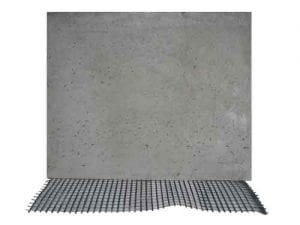
DURASKIRT™ PRO 3037 30″ x 37″ x 3/4″. Concrete skirting panels for mobile homes.
There are various types of mobile home skirting products available on the market today. Choosing the appropriate skirting product for your home is significant for long-term value, durability, and maintenance costs. Concrete skirting is a practical option due to current manufacturing advancements, especially with modern systems designed specifically for manufactured homes rather than traditional poured concrete methods.
Typically, concrete skirting is more expensive than wood or hardy skirting but may be worth the additional cost. Vinyl skirting is less expensive initially but requires replacement every five to seven years due to cracking, warping, or weather damage. Over a thirty-year mortgage, the cumulative cost for vinyl skirting can be significantly higher when factoring in repeated replacements and repairs. Although concrete skirting has a higher upfront investment, it offers long-term savings through durability, minimal maintenance, and resistance to environmental wear.
Modern concrete skirting systems are also engineered for faster installation and structural stability. Unlike older methods that required extensive labor, newer panelized systems are designed to be installed efficiently while still providing the strength and appearance of a permanent foundation.
Advantages of Using Concrete Skirting
Many individuals delay replacing their mobile home skirting products until they encounter rodent or pest problems. Unfortunately, by that point, the damage is often already extensive. Rodents can chew through traditional materials like vinyl or wood, creating entry points that lead to insulation damage, heat loss, and increased energy bills. Moisture intrusion can also become an issue once the barrier is compromised.
Repairing this type of damage can be costly and time-consuming, often involving removal of damaged materials, pest control, insulation replacement, and full skirting replacement. Concrete skirting helps prevent these issues from the start by creating a solid, durable barrier that is far more resistant to pests, impact, and environmental conditions.
Concrete skirting also offers additional benefits beyond protection. It is resistant to rot, mold, and warping, which are common problems with other materials. Because it does not degrade easily over time, homeowners spend less on maintenance and repairs. In areas with extreme weather, including high winds or heavy rain, concrete skirting provides added stability and protection compared to lighter materials.
Another advantage is customization. Concrete skirting can be painted or stained to match your home’s exterior design. Some homeowners choose to leave the natural finish for a clean, modern look, while others customize the color to blend seamlessly with siding, trim, or landscaping. This flexibility allows homeowners to improve curb appeal without sacrificing durability.
DURASKIRT™ concrete skirting panels for mobile homes are a wonderful product.upscale residential appearance. Concrete skirting provides the look and feel of a site-built home.
High-End Residential Appearance
DURASKIRT™ offers a smooth wall concrete finish that provides a high-end residential appearance without the need for traditional foundation vents. Instead of visible grates or openings, modern systems are designed with built-in ventilation solutions that maintain airflow while preserving a clean exterior look.
The unobstructed design ensures that the skirting blends seamlessly with the home’s structure. This creates a more permanent, site-built appearance rather than the typical look associated with manufactured homes. Clean lines and uniform panels contribute to a polished finish that enhances overall curb appeal.
For homeowners looking to increase property value or simply improve aesthetics, this type of skirting can make a noticeable difference. In many cases, it becomes difficult to distinguish a manufactured home from a site-built home once the skirting is installed.
Making an Informed Decision
Among the mobile home skirting products available, DURASKIRT™ represents a logical choice for homeowners seeking durability, long-term savings, and an upgraded appearance. Its engineered design, combined with the strength of concrete, provides a reliable solution that addresses many of the common issues found with traditional skirting materials.
When evaluating your options, it is important to consider not just the initial cost, but the long-term performance, maintenance requirements, and overall impact on your home’s appearance. Choosing the right skirting product can protect your investment, reduce ongoing expenses, and enhance the look and feel of your home for years to come.











Recent Comments