Tips For Installing Skirting On Older Mobile Homes
If you’ve been researching how to install mobile home skirting on your manufactured home, there are some important factors to consider before you start your project. While DIY mobile home skirting is an option and this kind of project certainly can be completed by homeowners, it’s important to note the proper considerations and prepare in advance before jumping into this job.
One of the first things you’ll need to do is consider the age of your manufactured or mobile home. New homes or houses fresh out of the factory will require different preparation than homes that have existed for 15 or 20 years or more. If your home is new, check out our article on tips for how to install mobile home skirting on new homes, here. The following tips will focus on older homes and how to prepare to install mobile home skirting on an aged manufactured or mobile home.
Tips for Preparing Older Homes for Mobile Home Skirting:
Inspect the Rim Joist – First, inspect the rim joist around the entire perimeter of the home. Often, the rim joist can become rotten or damaged.
Repair the Rim Joist – Not all older homes will have rim joist wear and tear, but many do. So, repairing it now is vital before installing new mobile home skirting. To make repairs on a rim joist, you’re going to have to cut some siding off. Take care to set your blade depth because there are metal stops that come down into the rim joist. Moreover, setting your blade too deep, your saw blade will cut those off. Then, you’ll need to pull those stops up to get to the rim joist properly. Once you do that, you can start pulling the rim joist off and begin repairing it.
Inspect and Repair the Material Behind the Rim Joist. – For any part of the rim-joist, you need to repair, inspect the material behind it. If the material behind the rim joist is rotten, that will need to be repaired, too. Now place a new rim-joist in its place.
Level the Ground – The next thing to check is the soil, gravel, or dirt around the perimeter. Thus, ensuring a level surface is important. You’ll want the home skirting to fit evenly all the way around the home, so make sure the earth is level, first. Here’s a tip: measure 31 inches on your shovel and mark it with a piece of tape. Then go around the perimeter of the home and you can easily measure and see where some soil may need to be dug away or leveled better.
Once these checks and repairs are completed, house skirting can be applied to the home. For more information on DIY mobile home skirting options, get in touch with DURASKIRT™ at (360)419-9909. We’ll be happy to assist you and get you ready for your own mobile home skirting project.
Newer manufactured homes might seem like the perfect candidates for easy mobile home skirting installation: they’re fresh, new, and haven’t been exposed to the elements for years. However, while skirting is essential for protecting and enhancing the look of these homes, the installation process isn’t always as seamless as one might hope. Even new homes can have imperfections, and when installing skirting, these flaws may become more noticeable.
Here are three practical tips for installing skirting on a newer mobile or manufactured home and ensuring it looks professional:
1. Recognize that your home might not be perfectly square or level.
Mobile and manufactured homes are built in factories. Depending on the manufacturer, many homes may not be perfectly square or level. This is important to acknowledge before starting your mobile home skirting installation project. Knowing what to expect will help you plan appropriately and make adjustments as needed.
The good news? Advances in robotics and technology over the past 30 years have greatly improved the construction of mobile and manufactured homes. While imperfections may still exist, modern homes are significantly squarer and straighter than older models. Plus, they remain a cost-effective alternative to traditional stick-built homes, offering homeowners significant savings.
2. Shape the skirting material to match your home.
Even with modern advancements, your home may still have minor imperfections. When working on mobile home skirting installation, it’s important to shape the skirting material to fit the unique contours of your home. The finished look of the skirting will largely depend on how well you adapt the material to these imperfections. Taking the time to carefully shape and install the skirting will result in a more polished appearance.
The same principles apply to shed skirting. Sheds often have uneven surfaces or challenging layouts, but with careful attention to detail, you can achieve a clean and seamless look. Be patient, and don’t rush the process—your effort will pay off in the end.
3. Equip yourself with the right tools.
Each skirting material has specific tools recommended for installation, but these may not always be enough. For a successful mobile home skirting installation, you may also need additional tools to measure accurately, account for imperfections, and cut or shape the skirting material. Having the proper equipment on hand ensures you can adapt the skirting to your home’s unique needs.
When working with shed skirting, this tip is even more crucial. The smaller size and varied designs of sheds can make installation trickier, so having versatile tools is key to achieving a neat and durable finish.
Additional Tips on Tie-Downs
Before starting your skirting project, ensure that your home is properly secured. A solid tie-down system is essential for safety and can prevent damage to both your home and the skirting. For more guidance, check out our blog post on hiring a tie-down pro: Read more here.
Get Expert Help with Skirting Projects
Whether you’re tackling mobile home skirting installation or shed skirting, having the right support makes all the difference. If you’d like more information about skirting products or installation tips, contact DURASKIRT™ at (360) 964-9238. Our team has extensive experience working with both older and newer manufactured homes and is happy to assist you. Let us help you protect and beautify your home or shed with high-quality skirting solutions.
Is DURASKIRT™ A Good Cold Climate Skirting Product?
A History Behind the Making of DURASKIRT™
This is a legitimate question because we began by desiring to make the best cold-weather skirting product. We hope this article will answer your question to your satisfaction. DURASKIRT™ underwent an extensive engineering and design process before manufacturing our well-known concrete board skirting panels. This process considered various climate conditions to ensure the skirting could withstand extreme temperatures, including harsh winters.
You’ll be glad to know that we addressed this question and more during the design and manufacturing phases. As a result, our durable exterior cement board skirting was created, offering a reliable and long-lasting solution. Today, DURASKIRT™ is installed on thousands of homes across the country, delivering proven results.
The Beginning of DURASKIRT™
DURASKIRT, LLC began manufacturing and selling DURASKIRT™ in several states with some of the nation’s most severe and variable weather conditions. Naturally, we had to meet and exceed rigorous testing standards. As homeowners explored various house skirting ideas, we wanted to provide a concrete board skirting system they could trust for both durability and aesthetics.
True Quality – How Durable Is DURASKIRT™?
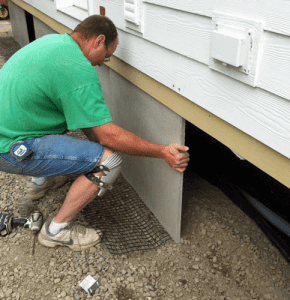
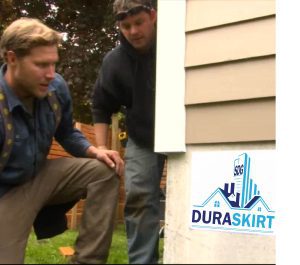
Installing a DURASKIRT™ panel on a manufactured home.
Without revealing all our proprietary secrets, DURASKIRT™ incorporates a high-quality concrete additive package into the panels. These concrete additives give our panels unique properties, such as resistance to cracking and chipping during freeze-thaw cycles. Additionally, they help prevent expansion or warping during drastic temperature changes.
The designers of this product have decades of experience in concrete board construction and have worked extensively with manufactured homes, modular homes, and site-work contractors. This wealth of expertise made it possible to engineer a premium exterior cement board skirting solution that meets the highest standards.
Exceptional Circumstances Lead to Innovation
An exceptional set of circumstances led to the creation of this innovative house skirting idea. Many attempts had been made by others, but they failed to develop a long-lasting, reliable product. DURASKIRT™ emerged as a breakthrough solution—a concrete board skirting system designed for durability, ease of installation, and a sleek, professional appearance.
Two Schools of Thought
When we started our quest for the perfect skirting product, the manufactured home industry had two primary schools of thought. One prioritized affordability, while the other emphasized quality, durability, and longevity. Since both perspectives have merit, our goal was to merge them—leading to the development of DURASKIRT™.
Certain Design Stipulations
From the start, we established critical design criteria:
Aesthetic Appeal: The panels had to look great and function effectively for years in diverse climates.
Cost-Effectiveness: The product needed to meet the affordability demands of the manufactured home industry.
These guiding principles shaped our approach to designing, testing, and manufacturing exterior cement board panels that combine high durability with an attractive finish.
No Outside Assistance – A Commitment to Quality
It’s worth noting that DURASKIRT™ was developed without any government or private grants. While we recognized the need for capital, we preferred to maintain full control of the process, avoiding red tape and external interference. This allowed us to focus entirely on creating the best concrete board skirting product available.
Lean, Efficient, and Customer-Focused
“Free” money often brings constraints, and we wanted the freedom to innovate. By maintaining a lean and focused approach, we could prioritize efficiency and quality while serving the needs of our customers.
Throughout the years, DURASKIRT™ has gained both critics and loyal supporters. Overcoming outdated industry notions has been challenging, but we remain committed to providing homeowners with a superior skirting solution. Many of our biggest advocates were once skeptics, but after seeing DURASKIRT™ in action, they became dedicated supporters.
For everyone who has asked, “Why hasn’t anyone made a durable, affordable, and high-quality skirting product for our industry?”—we believe DURASKIRT™ is the long-awaited answer.
Selling Mobile Home Skirting Kits
DURASKIRT™ Mobile Home Kits
Using the latest molding techniques, we began selling mobile home skirting kits nationwide. These exterior cement board kits have become a major part of our business, providing homeowners and contractors with an easy-to-install, high-quality skirting option.
Does DURASKIRT™ Deliver on Its Promises?
It’s natural to wonder, “Does DURASKIRT™ do what you say it does?” Our response:
21+ years of real-world testing and proven results
Engineer’s stamp of approval
Thousands of satisfied customers
If that’s not convincing enough, perhaps our exceptional customer service will win you over. We are committed to delivering not just a great product but also a great experience.
Welcome to the DURASKIRT™ Family
At DURASKIRT™, we consider our customers part of our family. We appreciate every person who chooses our skirting solutions, and we are grateful for the word-of-mouth referrals that continue to grow our community.
By choosing DURASKIRT™, you’re investing in a concrete board skirting system designed to withstand the test of time—no matter the climate.
Cement board is a tough, large panel composed of cement and other fibers that comes in different sizes and thicknesses, most often ¼” or ½” thick and 3 feet by 5 feet in size. Like drywall, it is sold in sheets and can be purchased at hardware or home improvement stores.
Cement Board vs Drywall
Cement Board – Not A Cheap Mobile Home Skirting
Cement board has a different use than drywall, however. While drywall panels create smooth walls and ceilings and are appropriate for most rooms, cement board is best suited for bathrooms and other areas that are prone to humidity and frequent moisture.
Cement board is used as the wall-backing behind shower tile and bathroom tile. It is much tougher than drywall and can resist mold, mildew, and other moisture-related issues prone to bathrooms. It’s a better option for rooms where moisture, sitting water, and humidity are common, because cement board is heavy and tough and creates a great base for tiles.
Exterior Cement Board?
Some homeowners have used this product as exterior cement board for the house skirting around their mobile or manufactured home, treating it as a cheap mobile home skirting alternative.
Unfortunately, this does not work out well for them.
While cement board is good for bathrooms, it does not hold up as well outside where it is highly susceptible to weathering and a lot more moisture. When used on a home’s exterior as house skirting, cement board often doesn’t last long. The nylon component on the cement board begins to deteriorate and then the cement itself begins to crumble. This causes holes in the house skirting.
Cement Board Should Be Used Inside
It is best to use cement board with indoor locations like bathrooms where it is used as a backing for tile and helps prevent mold and other common moisture problems. However, if you are looking for skirting for your home, there are other options for house skirting for homeowners of mobile or manufactured homes.
DURASKIRT™ offers a house skirting product similar to cement board but it is thicker, tougher, and designed to be used outdoors. It won’t crumble or fall apart and will holds up to weathering and outdoor elements. If you are searching for a cheap mobile home skirtingoption that will last, get in touch with us at (360) 419-9909. We can help answer any questions you might have and share more information about our house skirting product: a durable, efficient option that does a great job.
Why DURASKIRT™? A Component of a Manufactured Home Foundation
Reason #1 – Proprietary Manufactured Home Foundations
E.R.B.S. Make Up Another Component of a Manufactured Home Foundation. They are also great when you pit set a manufactured home. Although there are more advantages, we first want to discuss the kinds of E.R.B.S. so you can determine which one you need.
E.R.B.S. Earthquake Resistant Bracing System
Let’s talk about the reasons why you should use DURASKIRT™. Did you know, that over the past twenty-five years, the manufactured home industry has undergone many changes? This includes new forms of mobile home underpinning (skirting) and new processes for how to install mobile home skirting. Another of those changing aspects is the use of proprietary engineered manufactured home foundations called E.R.B.S.
Earthquake Resistant Bracing Systems (E.R.B.S.) replacing tie-downs, runners and slabs. Additionally, these systems are replacing the need for concrete. Of course, the rising need for concrete skirting supports itself on native soils or gravel pads.
Reason #2 – Better Rodent Deterrence
Many people living in manufactured homes can attest to having rodent problems. Moreover, the causes for this can be attributed to only one thing, namely, poor quality mobile home underpinning (or skirting). The list of problems rodents are causing is vast.
The bottom line is the costs of dealing with the rodents and repairing the home can be well into tens of thousands of dollars in damages. That doesn’t include months or years of higher heating or air-conditioning bills due to rodent holes through insulation and ducting.
We have years of experience crawling under these homes and being firsthand witnesses. The light of these issues are more reasons we began producing DURASKIRT™. Equally important, we understand people need a quality, durable, reasonably priced barrier system.
Not only can it be backfilled without quickly rotting away but made strong to keep rodents at bay. We also observed a problem with venting and solved this issue with the “Hidden-Vent.”
Reason #3 – Hidden-Vent
Why DURASKIRT™? Hidden-Vent Feature.
Uniquely, the “Hidden-Vent” allows continuous airflow, so there’s no dead airspace. Because of its location and size, it performs well as an rodent guard as well. There are other surprising features to the “Hidden-Vent” as well:
Deters Large Animals
No Vent Wells Needed
Preventing Lawn Sprinklers from Soaking Crawlspace Through Vents
Continuous Airflow (No Dead Air Between Vents)
Reason #4 – Why DURASKIRT™ – Protects Against Rot
We commonly find that homes we inspect are rotting at the contact points of the skirting. As a matter of fact, after investigating, we find that moisture is being trapped, which is detrimental to the integrity of the mobile home underpinning and the home, itself. This has led to the replacement of hundreds of skirtings made of wood, vinyl, and masonry blocks.
The solution:
An important feature is designing DURASKIRT™ leaving airspaces between the top of the panels and the base of the home. This unique feature is working preventing trapping moisture and as a result rot. This is very important for the longevity of your manufactured home.
Conclusion
DURASKIRT™ is the most comprehensibly designed mobile home underpinning (skirting). Additionally, its engineering makes for a wonderful manufactured home skirting product. Call 360-333-5498 to order yours.
Vent wells are essential components in mobile home skirting systems, ensuring proper ventilation and access to under-home areas. Mobile Home skirting is the material used – often concrete board or plastic – that creates a sealed perimeter around the home. It usually extends from the bottom of the siding of the home down to the dirt. They prevent moisture buildup, reduce mold risk, and allow for maintenance access.
The purpose of house skirting is to create a barrier to keep pests and rodents out from the underside of a home and also to give the home a more finished look. Many homeowners like house skirting ideas that give their home a more aesthetic appeal. Most importantly, house skirting is critical because it saves the home from potentially expensive mouse and rat damage.
Mobile Home Skirting Ideas
Enhancing your mobile home’s exterior involves selecting the right skirting material. Here are some popular options:
Vinyl Skirting: Affordable and easy to install, vinyl skirting comes in various colors and styles. It’s low-maintenance but may lack the durability of other materials.
Faux Stone or Brick Skirting: Offers the appearance of stone or brick without the high cost. These panels are lightweight and can significantly boost curb appeal.
Metal Skirting: Materials like aluminum or galvanized steel provide durability and a modern look. However, they can be prone to dents and may require additional insulation.
Wood Skirting: Provides a natural, rustic appearance. Options include traditional lattice, horizontal or vertical planks, and reclaimed wood. Regular maintenance is necessary to prevent rot and pest damage.
Concrete or Brick Skirting: Offers a permanent, sturdy solution with excellent insulation properties. Installation is more labor-intensive and may be costlier.
Incorporating Vent Wells into Mobile Home Skirting
When installing skirting, it’s crucial to integrate vent wells to maintain airflow and access:
Ventilation: Proper airflow prevents moisture accumulation, which can lead to mold and structural issues. Ensure vents are evenly distributed around the home.
Access Panels: Include removable sections or doors in the skirting to allow for routine inspections and maintenance of the home’s underside.
Compliance: Adhere to local building codes regarding ventilation requirements for mobile homes.
Why Do I Need Vents?
The underside of the home needs air; it must be allowed to breathe. That’s where venting and ventilation wells come into play. Vents are built into the house skirting system to allow air to enter and escape from the underside of the home. They let the air out without letting rodents in to nest and cause damage. A vent well is a specific component of the vent.
Ventilation Wells Vs. Other Vents
Our exclusive hidden-vent overcomes the need for vent wells.
Ventilation well creates an undisturbed space around the vent to allow it to breathe. Oftentimes, manufactured and mobile homeowners like having a cement slab poured and having it come right up to their front door. The slab can help eliminate the need for steps.
The ventilation well prevents the actual vent from being covered up by the cement. It comes up from the vent and allows air to escape the underside of the home. Without it, the vent wouldn’t be properly exposed and the home wouldn’t be allowed to breathe. A vent well is a necessary component of house skirting in order to give the vent space to breathe.
Find Out More.
If you are looking to get mobile home skirting ideas for your manufactured home, mobile home, or storage shed, or if you have questions about the concrete board or skirting materials, get in touch with us.
We at DURASKIRT™ will answer any questions you have, share information about house skirting, or help direct your concerns or inquiries. Our house skirting is uniquely designed in such a way that it doesn’t require ventilation well but still allows homes to breathe without letting rodents in to cause damages. Give us a call at (360)419-9909 and we’ll be happy to speak with you.
With today’s inflated prices, people are actively seeking alternatives to plywood, especially for applications like skirting for mobile homes. As markets fluctuate, contractors and homeowners alike are exploring more durable, cost-effective solutions. So, what are some mobile home skirting ideas that serve as excellent alternatives to plywood? Let’s explore into some top options.
Six Alternatives to Plywood
Hardie Siding
Hardie siding panels have been a popular alternative to plywood skirting for years. Known for their weather resistance and aesthetic appeal, Hardie panels can mimic the look of wood while providing added durability. However, they might not fare well in unheated crawlspaces, where moisture and condensation can compromise their longevity. This makes them better suited for short-term applications or areas with good ventilation.
FRP Wall Board
Fiberglass Reinforced Panels (FRP) are another viable substitute to plywood. These lightweight panels are available in various colors and textures, making them versatile for interior and exterior applications. While FRP is not structural, it’s an excellent option for areas requiring an easy-to-clean surface, such as mobile home interiors or covered skirting. Its resistance to moisture makes it a better choice for humid environments compared to traditional plywood.
Particle Board
Particle board, made from compressed wood particles and resin, can replace plywood in some applications. However, due to its wood content, it remains susceptible to the same price fluctuations as plywood. Additionally, particle board lacks the weather resistance needed for long-term outdoor use, making it less ideal for skirting unless sealed and protected from the elements. So, if you are trying to save money it may not be the best alternative to plywood.
Foam Board
Foam board or reinforced foam board can be a viable alternative to plywood. Designers and engineers are increasingly using foam board for various applications due to its strength and versatility. It’s a great option for those seeking mobile home skirting ideas that are both innovative and practical. The foam board is lighter and stronger and can easily replace the use of plywood in surf boards, boogie boards, and snow boards. Because of its strength and lighter weight many designers and engineers are having fun developing new uses or applications. However, additional framing may be required to support the foam panels, particularly for skirting applications.
Polycarbonate Sheeting
Polycarbonate sheets are a durable and cost-effective alternative to plywood, especially in areas prone to extreme weather. These sheets are commonly used for hurricane protection but are also finding their way into mobile home skirting designs. Their transparency or tinted options can add a modern aesthetic, and their resilience ensures long-term functionality. They are lightweight, easy to install, and can serve as a semi-permanent solution. Because of its relative low cost and availability this material is finding an ever-expanding market.
Alternatives to plywood and plywood skirting for manufactured homes.
Concrete Panels
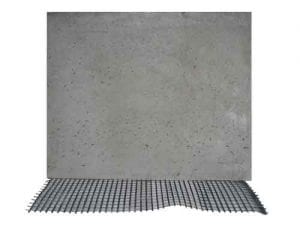
Concrete panels are one of the most durable and cost-effective alternatives to plywood skirting especially, skirting for mobile homes. Products like DURASKIRT™ are specifically designed for mobile homes, offering unmatched longevity and resistance to moisture, pests, and weather. The ¾” thick concrete panels provide a clean, professional look and can be used in a variety of skirting applications, including:
Mobile Home Underpinning
Modern Deck Skirting
Modular Home Skirting
Park Model and Tiny House Skirting
Raised House Skirting
Shed Underpinning
DURASKIRT™ panels are a go-to option for those seeking mobile home skirting ideas that blend aesthetics with functionality. They are designed for long-term use, making them ideal for mobile homes, pole buildings, and even RVs.
Why Consider Alternatives?
Plywood has long been a staple material for construction and skirting, but it comes with drawbacks like susceptibility to moisture, warping, and cost volatility. Exploring alternatives not only offers better performance in certain conditions but can also be more affordable in the long run. Products like concrete panels and polycarbonate sheeting are excellent for homeowners who prioritize durability and appearance while keeping costs manageable.
Choosing the Right Alternative
When deciding on the best alternative, consider the following factors:
Environment: Areas with high moisture levels require materials like concrete or polycarbonate that resist water damage.
Durability: For long-term solutions, concrete panels like DURASKIRT™ offer unmatched performance.
Aesthetics: Hardie siding and polycarbonate sheeting can enhance the visual appeal of your home.
Budget: While some options may have higher upfront costs, their longevity often makes them more cost-effective over time.
Finding the perfect alternative to plywood requires understanding your needs and the unique challenges of your environment. Whether you’re looking for innovative mobile home skirting ideas or simply a durable material for a specific project, options like concrete panels, foam board, and FRP offer a blend of functionality and affordability. For long-lasting results, consider products like DURASKIRT™, which are purpose-built for mobile home skirting and underpinning needs.
The very first time I heard the word house skirting was in the 1970s. My parents bought a transitional manufactured home while we were building a large farmhouse. It was late summer when my father explained that we needed to build skirting for mobile homes to keep the underside of our home warm through the coming cold months. I had no idea at the time that this experience would shape my future—eventually leading me to become the manufacturer of DURASKIRT™, a trusted name in manufactured home skirting products.
So, let me explain further what manufactured home skirting is and why you need it. Firstly, skirting for mobile homes, also known as mobile home underpinning, is the material used to cover the bottom of a manufactured or mobile home. It extends from the bottom of the siding down to the ground or to the foundational slab.
What Does Skirting for Mobile Homes Do?
Manufactured Home Skirting
Manufactured house skirting serves several important functions that contribute to both the aesthetic appeal and structural integrity of a home, especially for mobile and manufactured homes. Here’s what house skirting does:
1. Protection from the Elements
House skirting provides a protective barrier around the base of a home, shielding the undercarriage and foundation from harsh weather conditions such as rain, wind, and snow. This helps prevent moisture buildup, which can lead to mold, mildew, and wood rot.
2. Pest Control
Skirting for mobile homes blocks access to the space beneath the house, preventing pests such as rodents, insects, and larger animals from nesting under the home. This reduces the chances of infestations and the potential damage they can cause to the structure or insulation.
3. Improved Energy Efficiency
Skirting helps insulate the home by enclosing the space beneath it, reducing drafts and heat loss in colder months. This can help maintain a consistent indoor temperature and lower heating and cooling costs.
4. Structural Stability
House skirting adds a layer of stability by minimizing airflow under the home, which can reduce the risk of the structure shifting or becoming unstable due to strong winds.
5. Aesthetic Appeal
Skirting for mobile homes improves the visual appearance of a home by covering up the unsightly underbelly and mechanical systems, giving the home a more finished and polished look.
6. Ventilation and Airflow
Properly installed skirting includes ventilation to allow air circulation beneath the home, preventing moisture buildup while still protecting against pests. This balance helps maintain a dry and stable environment under the home.
7. Storage
Skirting can also provide a concealed area for additional storage beneath the home. This is particularly beneficial in mobile and manufactured homes, where space may be limited.
Why Is House Skirting Important?
Before house skirting is added to a home, the bottom of a manufactured or mobile home is exposed and open. The underside is wrapped to prevent insulation from falling out and to help everything stay intact during transport of the home. However, this wrap is not tough enough to prevent rodents from finding their way to the underside of a home. Without house skirting, rodents enjoy a freeway of access to nesting and chewing.
Unfortunately, homes with no house skirting protection or improper house skirting are prone to damages that can quickly escalate in cost. Over time, rodents can cause thousands of dollars worth of damage to a home. House skirting helps ensure that mice and rats will stay away and that the home will be much less prone to pest damage.
House Skirting Makes Your Home Look Good
House skirting also gives manufactured and mobile homes a more finished look, closer to that of a “stick-built” house. Adding mobile home underpinning to a mobile house can add a bit more visual appeal to the home. The skirting creates a more permanent look to a manufactured or mobile home.
All in all, house skirting is both a protective component to manufactured or mobile homes and also an aesthetic one. Most importantly, it creates a barrier for rodents and pests that would otherwise have easy access to the underside of a home, paving the way for home damage.
If you would like to learn more about skirting for mobile homes, or mobile home underpinning, contact DURASKIRT™ at any time. We’ll be most happy to answer any questions you might have and share information about DURASKIRT™ house skirting. If you are interested in learning how to protect your home from rodent damage, we can help.
As the owner of DURASKIRT, I am honored to pay tribute to Charlie Kirk, the visionary founder of Turning Point USA. Charlie’s unwavering commitment to empowering young people and fostering a culture of free speech and civic engagement has made an indelible mark on our nation. His leadership has inspired countless individuals, myself included, to embrace the values of hard work, independent thought, and personal responsibility.
Champion of Youth Engagement
Charlie Kirk’s journey began with an idea: to give young Christian Americans a platform to express their values and participate actively in the democratic process. Through Turning Point USA, Charlie brought together students from across the country, creating a movement that champions the principles of liberty, limited government, and free markets. His ability to connect with the rising generation and ignite a passion for truth has transformed campuses and communities nationwide and worldwide.
Advocate for American Values
Charlie’s message resonates with me both personally and professionally. At DURASKIRT, we strive to embody the same principles of innovation and integrity that Charlie exemplifies. His advocacy for individual freedom and entrepreneurship reflects the spirit that built our company. Whether through his public speaking engagements, media appearances, or grassroots activism, Charlie has remained steadfast in his dedication to preserving the foundational ideals of our country.
Leadership and Legacy
What sets Charlie apart is his courage to stand firm in his convictions, even in the face of adversity. He has shown that true leadership is about more than influence—it is about making a positive difference and leaving a lasting legacy. Charlie’s work with Turning Point USA has empowered the next generation to become thoughtful leaders and engaged citizens, ensuring that the principles that built America continue to thrive.
Final Reflections
As someone who shares a passion for entrepreneurship and the American dream, I am deeply grateful to Charlie Kirk for his tireless efforts and vision. His positive impact on young people and our culture is a testament to the transformative power of bold ideas and principled leadership. Thank you, Charlie, for inspiring us all to aim higher, work harder, and believe in the promise of America.
Finally, it is an honor to support TPUSA and meet Charlie at various events my wife and I supported by volunteering throughout the past four years. We will miss you, Charlie!
A Plan for Redemption
Let’s say we planted bad seeds, and they’ve grown into what we believe to be a irredeemable life? God still had a plan. His plan is and has always been for our redemption. To begin anew today, we simply need to cry out to Jesus with all our hearts. It doesn’t need to be pretty, what seed really is? Just say these basic words today…..
Jesus,
I am a sinner. I’ve done a lot that is wrong or evil. I cannot do anything good in my own power. I need your love and forgiveness. Lord, I am sorry for all the sin that I have committed in my life, and that I know I will commit in the future. I want to live my life for You, doing what is right, and pleasing to You. I need a Savior, because I can never pay the debt that my sin has incurred. Jesus, thank you for dying on the cross, and shedding your blood to pay the price for my sin. I accept that You did this for me, and I ask that You extend Your eternal grace to me. Lord, please transform my heart and my life in Your image, write my name in the Lamb’s Book of Life, and fill me with the Holy Spirit. I praise You for Your love, Your righteousness, and Your infinite mercy. Thank you for saving my soul.
Mobile home skirting serves as more than just a cosmetic addition to your property. It plays a crucial role in maintaining the structural integrity of your home, while also providing insulation, pest control, and enhancing its overall appearance. In this comprehensive guide, we’ll explore the various aspects of mobile home skirting, including its benefits, different types of skirting materials, considerations when choosing skirting, expert recommendations, and installation/maintenance tips.
Benefits of Mobile Home Skirting
Mobile home skirting offers a multitude of benefits that extend far beyond merely covering the space beneath your home. From enhancing structural integrity to improving energy efficiency, let’s delve into some of the key advantages that make skirting an essential component of your mobile home’s infrastructure.
1. Structural Stability:
Mobile homes, despite their mobility, require stable foundations to ensure longevity and safety. The importance of structural stability cannot be overstated when it comes to mobile home skirting.
Importance of Structural Stability:
Mobile homes rely on a solid foundation to support their weight and withstand various environmental factors. Skirting serves as a crucial element in maintaining this stability by providing a protective barrier against potential hazards.
BypassingQuality skirting, such as DURASKIRT™, offers more than just aesthetics. It acts as an additional layer of support for the mobile home structure. By securely enclosing the space beneath the home, it helps distribute weight evenly and reduces the risk of shifting or settling.
Durability and Longevity:
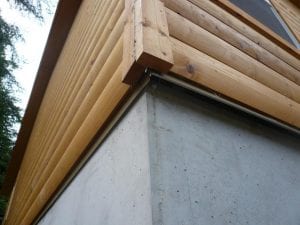
Choosing durable skirting materials is paramount for ensuring long-term structural stability. DURASKIRT™ concrete panels, for instance, are renowned for their strength and resilience. These panels not only enhance the appearance of the home but also contribute significantly to its structural integrity.
2. Insulation and Energy Efficiency:
Properly installed skirting acts as a barrier against the elements, reducing heat loss in the winter and heat gain in the summer.
By sealing off the space beneath your home, skirting helps to maintain a more consistent indoor temperature, ultimately leading to energy savings on heating and cooling bills.
As mentioned in “What Can Mobile Home Skirting Do for You?” skirting functions like a “thermos” for your home, preventing warm air from escaping during the winter and cool air from dissipating in the summer.
3. Pest Control:
Pest control is another critical aspect of mobile home skirting that directly impacts structural stability and overall safety.
Importance of Pest Control:
Rodents, insects, and other pests pose a serious threat to the structural integrity of mobile homes. Without proper skirting, these creatures can infiltrate the space beneath the home, causing damage to insulation, wiring, and plumbing.
There was a crew I know who was removing some old wood skirting to install DURASKIRT™ skirting. He was pulling some old insulation when a possum dropped on his chest! The animal had made a nest in the insulation. He ran out of there so fast screaming that he was being attacked by a dracula animal. You don’t want animals nesting under your home.
Skirting as a Barrier:
Effective skirting serves as a barrier against unwanted pests, preventing them from accessing the underside of the mobile home. DURASKIRT™, with its robust construction, acts as a formidable deterrent against rodents and insects, safeguarding the home from potential infestations.
Ventilation and Moisture Control:
In addition to keeping pests out, skirting also plays a crucial role in regulating moisture levels beneath the home. Proper ventilation, facilitated by strategically placed vents, helps prevent moisture buildup, which can attract pests and compromise the structural integrity of the home.
Sustainable Pest Management:
Investing in high-quality skirting not only protects against immediate pest threats but also ensures long-term pest management. By choosing durable materials like DURASKIRT™, homeowners can enjoy peace of mind knowing that their mobile home is effectively shielded from potential infestations for years to come.
4. Aesthetic Enhancement:
Beyond its functional benefits, skirting can significantly improve the appearance of your mobile home, giving it a more finished and cohesive look.
By concealing structural elements and grading materials, skirting creates a seamless transition between your home and the ground, enhancing its curb appeal and overall value.
As noted in “What is Skirting on a Manufactured Home?” skirting can cover up unsightly features while adding a touch of style and sophistication to your property.
Different Types of Skirting Materials
When it comes to mobile home skirting, the array of material options available can be overwhelming. From traditional choices like vinyl and plywood to innovative solutions like concrete and simulated stone, each material brings its unique benefits and factors to ponder. Let’s delve deeper into the realm of skirting materials to uncover their diverse characteristics and suitability for your home.
1. Vinyl Skirting:
Vinyl is a popular choice for mobile home skirting due to its affordability and ease of installation.
However, as mentioned in “Six Cheap DIY Mobile Home Skirting Alternatives,” vinyl skirting may not offer the most durable or long-lasting solution, requiring frequent replacements or repairs over time.
2. Plywood:
Plywood is often used as a DIY skirting option, but it may not be the most suitable material for long-term use.
As highlighted in “Alternatives To Plywood and Plywood Skirting,” plywood is prone to moisture-related issues such as warping and rot, making it less than ideal for mobile home skirting.
3. Concrete Skirting:
Concrete skirting, such as DURASKIRT™ panels, represents a durable and long-lasting option for mobile home underpinning.
As discussed in “Siding Panels for Mobile Homes” and “Making A Manufactured Home Look Like A House,” concrete skirting offers superior stability, insulation, and pest resistance, making it a worthwhile investment for homeowners seeking a high-quality solution.
Choosing the right materials is essential. I’ve spoken with homeowners who were literally crying because, when they were replacing their old vinyl or wood skirting after just a few years, they found rot and mold in their homes which ended up costing them an additional $40,000 to repair.
Considerations When Choosing Skirting
Before selecting a skirting material for your mobile home, there are several factors to take into account. These considerations can help ensure that you choose the right skirting option to meet your needs and preferences:
1. Climate:
Consider the climate in your area and choose a skirting material that can withstand the weather conditions, including temperature fluctuations, moisture, and UV exposure.
As noted in “Siding Panels for Mobile Homes,” certain materials like vinyl may be more susceptible to fading or deterioration in extreme climates, while concrete skirting offers superior durability and weather resistance.
2. Budget:
Evaluate your budget and determine how much you’re willing to invest in mobile home skirting.
While cheaper alternatives like vinyl may be more budget-friendly upfront, they may require more frequent maintenance or replacement in the long run, potentially costing you more over time.
As highlighted in “Why DURASKIRT™? Engineered Skirting,” investing in quality skirting materials like DURASKIRT™ can offer long-term savings by reducing maintenance and replacement costs.
3. Maintenance:
Consider the maintenance requirements of different skirting materials and choose one that aligns with your lifestyle and preferences.
Materials like vinyl may require regular cleaning and maintenance to preserve their appearance, while concrete skirting typically requires minimal upkeep and is more resistant to wear and tear.
4. Aesthetics:
Take into account the aesthetic appeal of different skirting materials and choose one that complements the style and architecture of your mobile home.
As mentioned in “Skirting Ideas for Mobile Homes,” materials like concrete, brick, or simulated stone can create a more upscale and visually appealing look, enhancing the overall appearance of your property.
Expert Recommendations and Testimonials
When it comes to selecting the right skirting material for your mobile home, it can be helpful to seek guidance from experts in the field. Here are some expert recommendations and testimonials to consider:
1. Manufacturer Recommendations:
Manufacturers like DURASKIRT™ offer high-quality skirting products designed specifically for mobile homes.
Contractors who specialize in mobile home renovations or installations can offer valuable insights and recommendations based on their experience.
Seek out testimonials or reviews from contractors who have worked with different skirting materials to gain a better understanding of their performance and suitability for your project.
Installation and Maintenance Tips
Once you’ve selected the right skirting material for your mobile home, proper installation and maintenance are essential to ensure its longevity and effectiveness. Here are some tips to consider:
1. Professional Installation:
While DIY installation may be an option for some skirting materials, it’s often best to hire a professional contractor for optimal results.
Contractors with experience in mobile home skirting can ensure proper installation and alignment, minimizing the risk of issues such as gaps or uneven surfaces.
2. Regular Inspections:
Perform regular inspections of your skirting to check for signs of damage, wear, or pest infestation.
Address any issues promptly to prevent further damage and maintain the integrity of your skirting and home.
3. Seasonal Maintenance:
Take seasonal maintenance measures to protect your skirting from the elements, such as sealing cracks or applying protective coatings as needed.
Follow manufacturer guidelines for cleaning and maintenance to preserve the appearance and functionality of your skirting over time.
In conclusion, mobile home skirting serves as a cornerstone for your property’s structural integrity, insulation efficiency, and visual appeal. By meticulously evaluating the diverse range of skirting materials, incorporating expert recommendations, and diligently adhering to maintenance guidelines highlighted in this comprehensive guide, you can confidently select the ideal skirting solution tailored to your specific requirements, guaranteeing long-lasting satisfaction and peace of mind for the future.













Recent Comments